
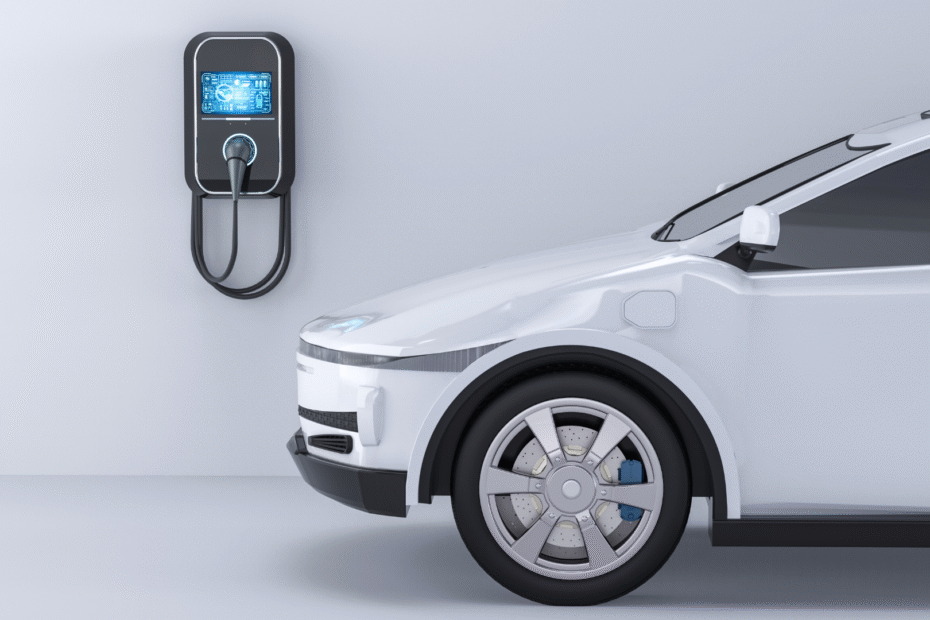
Electric vehicles (EVs) are rapidly transforming the automotive landscape, appealing to environmentally conscious consumers and tech enthusiasts alike. The technology driving electric cars encompasses advanced battery systems, efficient electric motors, and intelligent software that collectively enhance performance and sustainability. As the world moves towards greener alternatives, understanding the intricacies of EV technology becomes essential.
At the heart of electric vehicles lies the battery technology, which is crucial for determining their range and efficiency. Innovations such as lithium-ion batteries have significantly improved energy density and charging speed, making EVs more practical for everyday use. Furthermore, the integration of regenerative braking and smart energy management systems contributes to a smoother and more efficient driving experience.
Those interested in the future of transportation will find that the electric vehicle sector is not just about the cars themselves but also about the broader technological advancements that support them. From charging infrastructure to software that optimizes performance, the world of electric vehicles is rich with developments that promise to reshape how people think about mobility.
Fundamental Electric Vehicle Technologies
Electric vehicles (EVs) rely on several fundamental technologies that enable efficient operation and performance. Key components include battery packs for energy storage, electric motors for propulsion, and power inverters that regulate power flow.
Battery Pack and Energy Storage
The battery pack is essential for storing energy in electric vehicles. Most EVs utilize lithium-ion batteries due to their high energy density and efficiency. These batteries enable longer ranges, making vehicles like the Tesla Model Y feasible for everyday use.
Battery management systems (BMS) monitor voltage, temperature, and charge levels to optimize performance and prolong lifespan. This technology ensures safety and efficiency during charging. Additionally, energy storage solutions may include various configurations, such as modular packs, allowing for customization based on vehicle design and requirements.
Electric Motors and Instant Torque
Electric motors are crucial for converting electrical energy into mechanical energy for vehicle movement. Two primary types are used: permanent magnet motors and induction motors. Permanent magnet motors are common in many EVs due to their compact size and efficiency.
Instant torque is a significant advantage of electric motors. Unlike combustion engines, which require revving to generate power, electric motors deliver maximum torque from a standstill. This characteristic contributes to rapid acceleration, providing an engaging driving experience. The quiet operation of electric motors also enhances ride comfort.
Power Inverters and Control Units
Power inverters play a pivotal role in electric vehicles by converting direct current (DC) from the battery to alternating current (AC) for the electric motor. This conversion is essential for driving the motor effectively.
Control units manage the interaction between various components, ensuring that energy is efficiently distributed where needed. This includes regulating power based on driving conditions and driver input. Advanced algorithms in modern inverters improve efficiency and responsiveness, contributing to superior vehicle performance compared to traditional combustion engines.
Advancements in Battery and Charging Systems
The field of electric vehicle technology is being transformed by innovations in battery and charging systems. Key advancements include the development of solid-state batteries, improvements in DC fast charging, and enhanced thermal management systems. These innovations support increased efficiency, faster charging times, and better overall vehicle performance.
Solid-State and Next-Generation Batteries
Solid-state batteries represent a significant breakthrough in battery technology. They use a solid electrolyte instead of a liquid one, which enhances safety by reducing the risk of leaks and fires. Additionally, solid-state batteries can offer higher energy densities, leading to improved range for electric vehicles.
Next-generation batteries also focus on materials such as lithium-silicon composites. These can increase capacity and cycle life compared to traditional lithium-ion batteries. Researchers are actively pursuing enhancements in manufacturing processes to make these batteries cost-effective and viable for mass adoption.
DC Fast Charging and Charging Ports
DC fast charging has revolutionized the way electric vehicles refuel. This technology allows for rapid charging, providing up to 80% charge in as little as 30 minutes. The introduction of ultra-fast chargers is elevating this speed, making longer trips more feasible for EV owners.
Charging ports are becoming standardized, such as the CCS (Combined Charging System) and Tesla’s Supercharger network, facilitating broader access to charging infrastructure. These advancements not only enhance convenience but also expand the overall appeal of electric vehicles.
Thermal Management for Performance
Thermal management systems are critical for maintaining battery efficiency and longevity. Effective temperature control helps prevent overheating during operation, which can extend battery life. Advanced thermal management utilizes materials like phase-change materials and liquid cooling systems for optimal heat regulation.
Additionally, maintaining an ideal operating temperature contributes to consistent performance under varying conditions. This level of HVAC integration ensures that electric vehicles operate efficiently in diverse climates, further improving user experience.
Regenerative Braking and Efficiency Features
Electric vehicles incorporate advanced technology to enhance efficiency and reduce environmental impact. Key innovations include regenerative braking systems and the achievement of zero tailpipe emissions.
Regenerative Braking Systems
Regenerative braking plays a crucial role in improving the efficiency of electric vehicles. This system captures energy normally lost during braking and converts it into electrical energy, which is then stored in the vehicle’s battery.
When the driver applies the brakes, the electric motor functions in reverse. Instead of consuming energy, it generates electricity that recharges the battery. This process not only extends the vehicle’s range but also reduces wear on conventional brake components.
The efficiency of regenerative braking can vary by design. Features like adjustable regenerative braking levels allow drivers to maximize energy recovery based on driving conditions.
Zero Tailpipe Emissions and Environmental Impact
A significant benefit of electric vehicles is their zero tailpipe emissions, reducing pollutants significantly compared to internal combustion engine vehicles. This attribute directly contributes to improved air quality in urban areas.
Electric vehicles produce no carbon dioxide (CO2) while operating, making them a cleaner alternative. However, it is essential to consider the emissions associated with electricity generation. The environmental benefits are most pronounced when the energy comes from renewable sources.
By eliminating tailpipe emissions, electric vehicles play a vital role in reducing greenhouse gases and supporting global sustainability goals. Their adoption is an important step toward cleaner transportation options.
Charging Infrastructure and Leading Innovation
The development of charging infrastructure is crucial for the widespread adoption of electric vehicles. Innovations in this sector are rapidly improving user convenience and accessibility.
Public and Home Charging Stations
Public charging stations provide essential support for electric vehicle users. They are strategically located near shopping centers, parking lots, and highways to facilitate easy access.
Types of public charging include:
- Level 2 Chargers: These are common in public areas and can fully charge a vehicle in several hours.
- DC Fast Chargers: These are designed for quick charging and can recharge a battery to 80% in around 30 minutes.
Home charging stations are also gaining traction. Many owners opt for Level 2 home chargers, which allow for overnight charging and convenience. With dedicated circuits and proper installation, these chargers can deliver efficient power to the vehicle, making daily use hassle-free.
Tesla and Market Leaders
Tesla has significantly influenced the electric vehicle charging landscape. The company boasts an extensive Supercharger network, featuring rapid charging stations worldwide.
Tesla’s Superchargers are designed for high efficiency:
- High Charge Rate: Can deliver up to 250 kW of power, drastically reducing charging time.
- Strategic Placement: Stations are located along major travel routes to enhance long-distance travel for Tesla drivers.
Other automakers also invest in charging solutions. Companies like Ford and Volkswagen are forming partnerships to create standardized charging infrastructure. This collaboration aims to provide a cohesive network that benefits all electric vehicle users and ensures access to charging stations.