
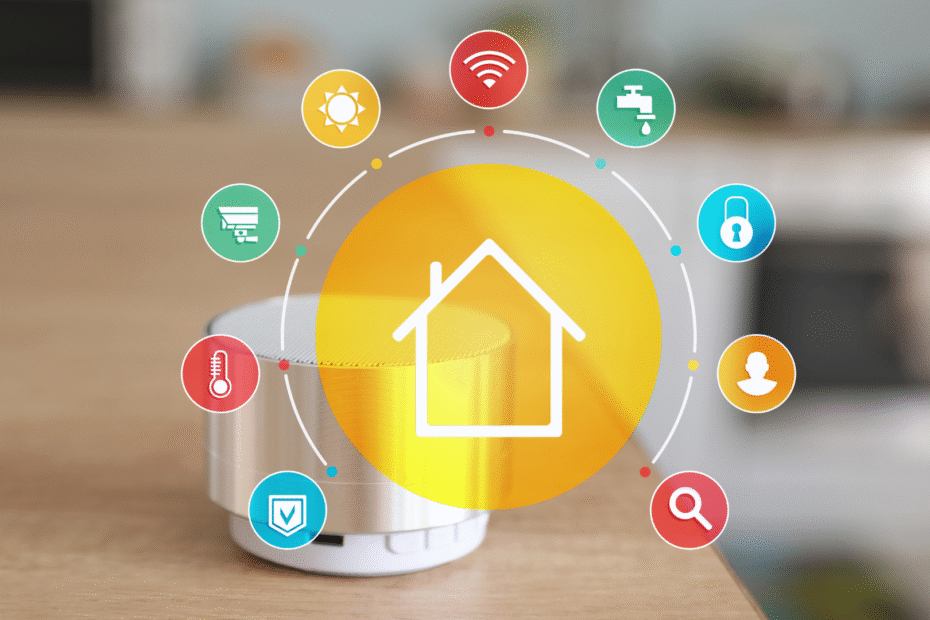
Smart home devices are becoming integral to modern living, transforming how individuals interact with their environments. With advancements in home technology, these devices enhance convenience, security, and energy efficiency, making everyday tasks simpler and more efficient. As smart homes gain popularity, they are fundamentally reshaping the dynamics of daily life, offering unprecedented control and comfort to their inhabitants.
From voice-activated assistants to smart thermostats, these devices not only streamline household management but also promote a more connected lifestyle. People can monitor and manage their homes remotely, tailoring their living spaces to fit their needs while reducing energy consumption. The integration of smart technology leads to homes that anticipate needs, creating a more harmonious living experience.
As technology continues to evolve, its impact on living spaces becomes more pronounced, challenging traditional notions of home design and functionality. The rise of smart homes signifies a shift toward a more innovative and proactive approach to how people live and interact with their surroundings, making it essential to explore the various ways these advancements are enhancing everyday life.
Core Innovations Redefining Modern Living
Smart home technology drives innovation in automated living environments. Key aspects involve intelligent automation, evolving ecosystems, and seamless connectivity, shaping how individuals interact with their homes.
Intelligent Automation and AI Integration
Intelligent automation uses AI to enhance daily routines. By analyzing user habits, smart devices can anticipate needs and adjust settings without direct input.
For example, smart thermostats learn temperature preferences over time, optimizing energy consumption. Security systems utilize machine learning for improved surveillance and real-time alerts.
Voice assistants, such as Amazon Alexa or Google Assistant, facilitate hands-free control of various devices. They streamline task management, making it easier for users to adjust lighting, temperature, or audio.
Benefits of Intelligent Automation:
- Increased convenience
- Enhanced energy efficiency
- Improved security
Evolving Smart Home Devices and Ecosystems
Smart home devices have evolved significantly in functionality and compatibility. Products, such as smart lights, locks, and appliances, now work cohesively within interconnected ecosystems.
Key players like Apple, Google, and Amazon provide platforms that support a wide range of devices. This interoperability fosters a more unified user experience.
With the introduction of dedicated hubs, devices from different brands can communicate effectively. This opens possibilities for innovative uses, such as automated lighting that syncs with home entertainment systems.
Popular Smart Home Devices:
- Smart speakers
- Smart cameras
- Smart appliances
Seamless Connectivity and the Power of IoT
IoT connects various devices, enabling them to share data and function collectively. This connectivity forms the backbone of a smart home.
Users can monitor and control devices remotely through mobile apps. This flexibility allows for adjustments to security settings or energy consumption, even when away from home.
With 5G technology on the rise, faster and more reliable connections improve real-time communication between devices. This enhances the performance and responsiveness of smart home systems.
Advantages of IoT in Smart Homes:
- Remote monitoring and control
- Enhanced data sharing between devices
- Improved user experience through real-time updates
Enhancing Energy Efficiency and Sustainability
Smart home devices significantly improve energy efficiency and promote sustainability. They facilitate energy management through advanced technology, which leads to reduced consumption and a lower carbon footprint.
Smart Thermostats and Adaptive Lighting Systems
Smart thermostats learn user preferences and adjust heating and cooling schedules accordingly. They optimize energy use by using algorithms that predict when the home will be occupied.
Adaptive lighting systems improve energy efficiency by automatically adjusting the intensity and color of lights based on natural light conditions and occupancy. This reduces electricity usage and enhances the user experience.
These systems can be connected to a home’s energy management systems, providing valuable data that helps in monitoring and reducing energy expenditure. Together, smart thermostats and adaptive lighting create a dynamic environment that encourages energy-saving behaviors.
Solar Panels, Battery Storage, and Home Energy Management
Solar panels harness sunlight to generate electricity, significantly lowering reliance on grid power. When paired with battery storage, homeowners can store excess energy produced during the day for use at night, enhancing energy self-sufficiency.
Home energy management systems monitor energy consumption and production, providing insights into usage patterns. This data is vital for making informed decisions about energy-saving upgrades or adjustments.
The combination of solar panels and battery storage not only reduces energy costs but also supports a more sustainable energy infrastructure by utilizing renewable resources effectively.
Reducing Carbon Footprint Through Automation
Automation features in smart home devices play a crucial role in minimizing the carbon footprint. By scheduling devices to operate during off-peak hours, energy usage can be shifted away from times of high demand.
Smart appliances can be programmed to run when energy costs are lowest, effectively lowering overall energy consumption. Moreover, these devices often send notifications to users, encouraging them to adopt sustainable practices.
The integration of these technologies not only simplifies daily routines but also contributes to broader sustainability goals, aligning individual actions with global climate initiatives.
Security, Privacy, and Wellness in Connected Homes
Connected homes introduce advancements in security, privacy, and wellness, making them a focal point in modern living. Security systems enhance protection, while privacy measures address data collection concerns. Wellness technology promotes healthier lifestyles through smart monitoring.
Smart Home Security and Surveillance Solutions
Smart home security features provide a robust line of defense against potential threats. Homeowners can install motion sensors that detect movement and send alerts via smartphone notifications.
Security cameras serve dual roles as deterrents and monitors. Many models offer features like facial recognition, allowing homeowners to identify visitors easily. Integration with home automation systems ensures a comprehensive approach, enabling users to control and monitor security features remotely.
Privacy Concerns and Data Protection
As smart devices gather extensive data, privacy concerns have surged. Devices often require access to personal data for functionality, which may lead to unauthorized usage or breaches.
Homeowners need to prioritize data protection by selecting devices with strong encryption and privacy policies. Regularly updating firmware is crucial to safeguard against vulnerabilities. Implementing smart home network security, such as secure Wi-Fi connections and separate networks for devices, helps mitigate risks.
Health and Wellness Technologies in Smart Homes
Health and wellness technologies in connected homes promote a balanced lifestyle. Smart devices can monitor vital signs, physical activity, and even sleep patterns. This information allows individuals to make informed health decisions.
For example, a smart thermostat can optimize indoor air quality, contributing to overall well-being. Predictive maintenance alerts for appliances promote longer lifespans and efficiency, reducing stress from unexpected repairs.
Smart homes play a vital role in enhancing security, protecting privacy, and improving wellness while shaping a more convenient living environment.
Personalization and the Future of Smart Home Living
Advancements in smart home technology are paving the way for highly personalized living experiences. Innovations like voice assistants and predictive maintenance solutions are redefining individual convenience and efficiency, while evolving user expectations drive the development of future smart home features.
Voice Assistants and Voice Command Experiences
Voice assistants have become a cornerstone of smart home interactions. Devices can respond to various voice commands, allowing users to control lighting, temperature, and even security systems hands-free.
For instance, integrated systems can learn individual preferences over time. This functionality enables synthetic conversations and tailored experiences, enhancing user engagement and satisfaction.
Voice commands not only streamline daily tasks but also allow for routine automation. A user can automate morning routines, turning on lights and brewing coffee just by speaking.
Predictive Maintenance and Self-Tuning Homes
Predictive maintenance introduces a proactive approach to home management. Smart systems can alert homeowners to potential issues before they escalate.
Sensors detect irregularities in appliances and systems, sending notifications for maintenance or repairs. This capability helps maintain optimal performance and prolongs the lifespan of devices.
Self-tuning homes offer adaptive environments. For example, a thermostat can learn a user’s schedule, adjusting temperatures automatically for comfort and energy efficiency. This reduces unnecessary energy expenditure while enhancing livability.
Future Trends and Evolving User Expectations
As technology evolves, user expectations are shifting toward even greater personalization. Homeowners are increasingly seeking systems that not only automate tasks but also adapt to lifestyle changes.
Emerging trends include enhanced artificial intelligence integration and improved interoperability between devices. Such developments promise more cohesive smart home ecosystems that offer seamless transitions between devices.
In addition, users are becoming more aware of data privacy and security concerns. Future innovations will likely focus on creating secure, user-friendly systems that prioritize personal data protection while providing personalized functionalities.