
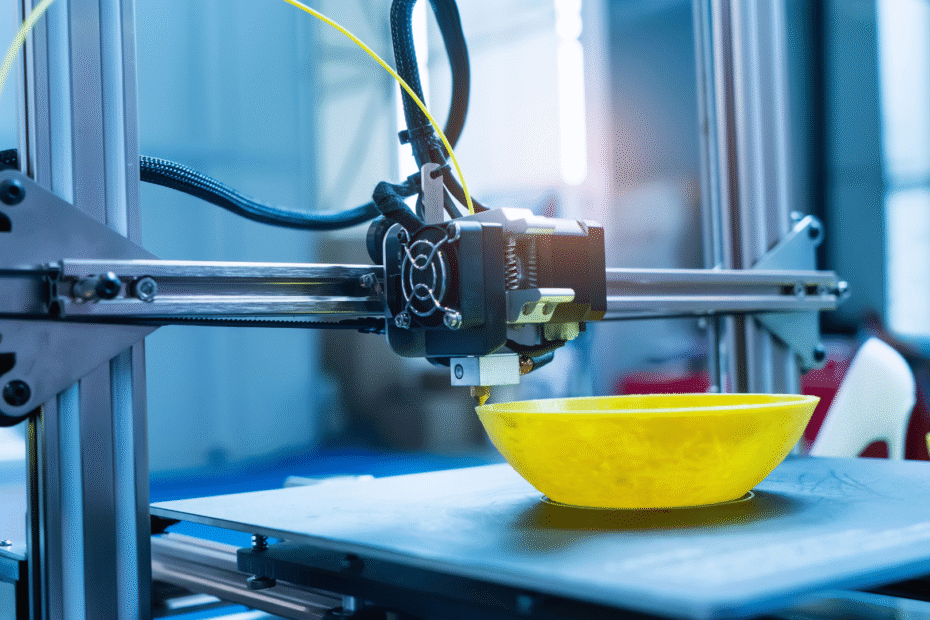
3D printing is transforming the landscape of custom breast prostheses, offering patients a level of personalization that was previously difficult to achieve. This innovative technology allows for the creation of prostheses that closely match a patient’s unique body shape and skin tone, enhancing comfort and confidence. As individuals seek more tailored solutions post-mastectomy, 3D printing stands out as a viable and effective option.
The process of designing and producing these prostheses begins with 3D scanning, capturing precise measurements to ensure a perfect fit. This method not only streamlines production but also reduces costs and waiting times, making quality care more accessible. By focusing on individual needs, 3D printing improves not just physical outcomes but also emotional well-being.
As the healthcare industry embraces advancements in technology, the importance of 3D printing in breast prosthesis development continues to grow. The ability to provide custom solutions enhances not only the aesthetic aspects but also the functional use of prostheses, fostering a greater sense of normalcy and empowerment for those affected.
Overview of 3D Printing in Healthcare
3D printing has emerged as a transformative technology in healthcare, enabling the creation of customized medical devices, including prosthetics and implants. This section highlights significant advancements in additive manufacturing, the types of 3D printers used, and various applications within clinical settings.
Advancements in Additive Manufacturing
Recent advancements in additive manufacturing techniques have significantly enhanced the capabilities of 3D printing in healthcare. Technologies like fused deposition modeling (FDM), stereolithography (SLA), and selective laser sintering (SLS) allow for intricate designs and customized solutions.
Materials such as biocompatible polymers and metals have advanced, promoting the development of prosthetics and implants tailored to an individual’s anatomy. Continuous research into materials science is expanding the range of applications and improving the quality of printed devices.
3D Printers and Medical Devices
There are several different types of 3D printers specifically designed for creating medical devices. These printers range from affordable desktop models to high-end industrial machines.
Common medical devices produced include surgical tools, anatomical models for education, and bespoke implants. The choice of printer and material affects the precision and functionality of the final products, highlighting the need for appropriate technology selection in healthcare applications.
Applications in Clinical Settings
In clinical settings, 3D printing fulfills various roles, enhancing patient care. Custom prostheses can be created with precise anatomical replication, leading to improved comfort and fit.
Surgical planning has also been simplified through the use of 3D-printed anatomical models, allowing for enhanced pre-operative strategies. Additionally, personalized medical devices can expedite recovery times, as they cater to individual needs, showcasing the potential for 3D printing to revolutionize various aspects of healthcare.
Custom Breast Prostheses: Needs and Innovations
The development of custom breast prostheses addresses specific patient needs and incorporates advanced technologies. Innovations in this field enhance comfort and functionality while providing aesthetic solutions for breast cancer survivors.
Challenges in Traditional Breast Prostheses
Traditional breast prostheses often face several limitations. They can be uncomfortable, especially during prolonged wear, and may not match the patient’s body shape or skin tone accurately.
Additionally, the weight of conventional prostheses can cause strain on the back and shoulders. These factors contribute to dissatisfaction among users, leading to a demand for more tailored alternatives.
Moreover, traditional options may lack flexibility, making movement less natural. This highlights the necessity for advancements in prosthetic technology to better meet individual requirements.
Patient-Specific Solutions Through Personalization
Personalization plays a crucial role in the innovation of custom breast prostheses. By using 3D printing technologies, clinicians can create prosthetic devices that match the patient’s unique anatomy perfectly.
This process involves taking precise measurements and considering factors such as skin tone and the patient’s lifestyle. The result is a prosthesis that provides better fit, comfort, and realism.
Custom models can also accommodate variations in breast shape and size due to surgeries or other medical conditions. This tailored approach improves patient satisfaction and promotes confidence in daily activities.
Integration of 3D Imaging: MRI and CT Scan
The integration of 3D imaging technologies like MRI and CT scans is revolutionizing the creation of custom breast prostheses. These imaging techniques allow for detailed visualization of the breast tissue and underlying structures.
Using this data, specialists can design personalized prosthetic models that conform closely to the individual’s unique anatomy. This improves fitting accuracy and facilitates better alignment with the body’s contours.
Furthermore, 3D imaging can identify changes in breast structure post-surgery, ensuring that the prosthesis adapts to evolving patient needs. This technological advancement enhances the effectiveness of custom solutions, ultimately benefiting the end users.
Clinical Applications and Benefits for Breast Cancer Patients
3D printing has transformed the approach to breast reconstruction, offering tailored solutions for patients following mastectomy. This technology enhances the surgical experience, leading to improved medical outcomes and greater patient satisfaction.
Enhancing Breast Reconstruction Post-Mastectomy
3D printing enables the creation of custom breast prostheses that conform to the unique anatomy of each patient. After a mastectomy, traditional prostheses may not fit well, causing discomfort. In contrast, 3D-printed options are designed using patient-specific measurements and imaging techniques.
These custom prostheses can enhance the symmetry and aesthetics of breast reconstruction. They are lightweight and provide more natural contours, contributing positively to a patient’s body image and emotional recovery.
Role in Plastic and Reconstructive Surgery
In plastic and reconstructive surgery, 3D printing facilitates precise modeling of tissues and structures. Surgeons can create highly detailed guides that improve accuracy during surgery. These guides help with implant placements and tissue reconstruction, leading to more effective outcomes.
Additionally, 3D-printed models allow for preoperative planning. Surgeons can visualize the reconstruction process, reducing intraoperative complications and improving overall efficiency.
Three-dimensional technology also has applications beyond printed prostheses and surgical models. In elective plastic surgery, imaging systems can help patients and surgeons discuss anatomy, treatment goals, and possible procedural approaches during the consultation process. Someone researching breast or body procedures may therefore choose to explore Plastic Surgery Georgia to learn more about available surgical options and the technologies used when planning treatment. These imaging tools serve a different purpose from 3D printing, but both demonstrate how increasingly personalized technology can support informed treatment planning.
Patient Outcomes and Satisfaction
Studies indicate that patients receiving 3D-printed breast prostheses report higher levels of satisfaction. They experience improved comfort and a more natural fit compared to traditional options.
The ability to customize the prosthesis based on individual needs also enhances emotional well-being. Patients often feel more confident and satisfied with their body image after using these personalized solutions.
With ongoing advancements in 3D printing, the impacts on breast cancer treatment continue to evolve, offering hope and better options for those affected.