
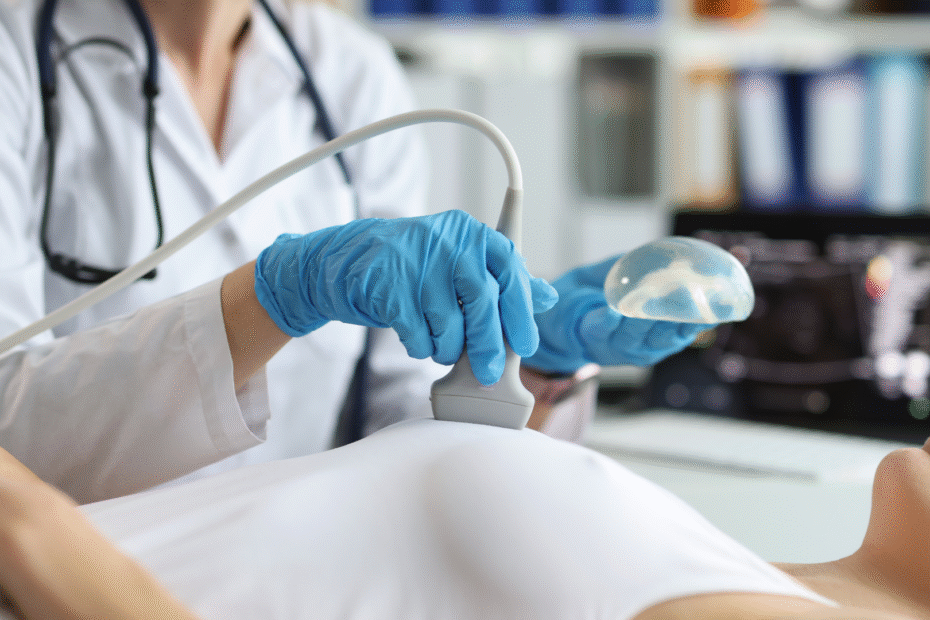
Advancements in technology have significantly transformed the cosmetic surgery landscape, particularly in breast augmentation. With the increasing demand for breast implants, addressing the health risks associated with implant rupture has become a priority for both patients and plastic surgeons. Innovative materials and improved manufacturing techniques are now reducing the rates of breast implant ruptures, enhancing patient safety and satisfaction.
Modern breast implants are designed with advanced features that bolster their durability and resistance to rupture. These innovations include stronger shells and cohesive gel materials that maintain their form even if a breach occurs. As a result, patients can expect lower risks of complications and longer-lasting results, making breast augmentation a more viable option.
For those considering breast implants, understanding the role of technology in minimizing potential health risks is essential. The combination of skilled plastic surgeons and cutting-edge implant designs not only improves outcomes but also fosters greater confidence in the choice to undergo breast augmentation. This proactive approach to reducing implant rupture rates can lead to more informed decision-making for prospective patients.
Advancements in Breast Implant Technology
Recent innovations in breast implant technology have significantly improved the safety and performance of these medical devices. Key developments have focused on enhancing the materials used, improving design, and optimizing integration with surrounding tissue.
Innovations in Silicone Gel Implants
Silicone gel implants have advanced with the introduction of cohesive gel technology. This type of silicone gel maintains its shape better and minimizes the risk of leakage. The cohesive nature allows the gel to remain intact even when the implant shell is damaged, reducing complications related to rupture.
These innovations provide a more natural look and feel, closely mimicking the characteristics of natural breast tissue. The latest formulations of silicone gel are designed to be more resilient, offering enhanced durability. This improves patient confidence in the longevity and safety of their breast implants.
Development of Structured and Ideal Implants
Structured breast implants combine saline and silicone gel features. They have an inner structure to support and enhance the shape while allowing for a more natural movement. This design reduces the risk of rippling, a common concern with traditional saline implants.
The Ideal Implant is another significant advancement. It consists of multiple internal chambers filled with saline, providing the appearance of silicone while maintaining a lower rupture rate. Surgeons often recommend these implants for patients seeking both aesthetics and safety.
Enhancing Biocompatibility and Tissue Integration
Advancements in material science have led to improved biocompatibility of breast implants. Manufacturers are creating implant shells that are less likely to provoke an immune response, promoting better integration with the body’s tissues.
These materials enable more seamless healing and reduce the risk of complications such as capsular contracture. Enhanced tissue integration can significantly improve the long-term outcomes for patients, contributing to overall satisfaction with the breast enhancement procedure.
The focus on biocompatibility is essential in ensuring that implants not only look good but also perform well over time, enhancing the overall safety profile of breast implants in today’s medical landscape.
Technology in Monitoring and Diagnosing Implant Ruptures
Monitoring and diagnosing breast implant ruptures have significantly advanced with technology. Key developments enhance the ability to detect ruptures, ensuring patient safety and alleviating concerns.
Magnetic Resonance Imaging (MRI) and Silent Rupture Detection
Magnetic Resonance Imaging (MRI) is a non-invasive method used to assess breast implants. It effectively identifies ruptured silicone implants, particularly in cases of silent ruptures where symptoms may not be apparent.
The FDA recommends MRI screenings three years after implantation and biennially thereafter. MRI provides detailed images that help distinguish between intact and ruptured implants. Studies have shown that MRI can detect capsular contracture, a condition that may cause discomfort or complications for patients.
Regular MRI scans can provide patients with peace of mind by ensuring ongoing monitoring throughout the life of the implant.
Advances in Imaging and Diagnostic Tools
Innovations in imaging technology have introduced various diagnostic tools beyond standard methods. Techniques like ultrasound and 3D mammography are now utilized for enhanced evaluation of breast implants.
Ultrasound is beneficial in assessing fluid collections and determining if a rupture has occurred. Its accessibility and cost-effectiveness make it a widely used first-line screening tool.
In contrast, 3D mammography can provide a more comprehensive view of breast tissue, aiding in identifying issues related to breast implant integrity. These advancements underscore a commitment to improving patient outcomes and addressing concerns effectively while minimizing further intervention.
Impact of Technology on Surgical Procedures and Patient Outcomes
Advancements in technology have significantly influenced surgical procedures and enhanced patient outcomes in breast surgeries. Key improvements have been made in surgical techniques, the reduction of complications, and the overall experience for patients undergoing breast reconstruction and augmentation.
Improvements in Surgical Techniques
Modern surgical techniques have evolved due to innovation and technological advances. Techniques such as endoscopic surgery minimize invasiveness, leading to smaller incisions and reduced scarring.
Patients increasingly benefit when less-invasive approaches are combined with careful preoperative planning; clear discussions about implant type, incision placement, and recovery timelines help set realistic expectations. For those evaluating regional options, reviewing reputable practices that detail their approach and outcomes can be useful when considering breast augmentation in Houston, or elsewhere.
During consultations, asking about implant materials, postoperative imaging protocols, and reported complication rates allows patients to compare techniques objectively. This focus on informed decision-making ensures that technological advances are matched to each patient’s anatomy and lifestyle for better long-term satisfaction.
3D imaging allows plastic surgeons to tailor procedures to individual anatomies, improving precision. Enhanced visualization tools contribute to better decision-making during operations.
Robotic-assisted surgery is also becoming more prevalent, offering increased accuracy in implant placement. These advancements contribute to improved surgical outcomes, with patients reporting higher satisfaction rates.
Reducing Complications and Capsular Contracture
Technology plays a crucial role in minimizing complications such as capsular contracture, a common concern for breast implant patients. Newer implant materials, such as cohesive gel silicone, are designed to reduce the risks of rupture and complications.
Surgeons are utilizing antibiotic-impregnated implants to lower infection rates. Advanced monitoring systems during procedures enhance the ability to detect issues promptly.
Further, biologic mesh can be used to reinforce tissue during reconstruction, reducing complications. As a result, patients experience fewer post-operative problems, improving their recovery journey.
Influence on Breast Reconstruction and Primary Augmentation
In breast reconstruction, technology facilitates more effective procedures, allowing for greater personalization. Techniques like fat grafting enhance the natural feel of reconstructed breasts, contributing to aesthetic satisfaction.
For primary augmentation, virtual reality applications help patients visualize outcomes, aiding in informed decision-making. This has become a valuable tool for plastic surgeons, enhancing discussions about desired results.
Furthermore, the use of implants with superior anatomical designs has improved the youthful look that many patients desire. This has resulted in increased acceptance and confidence in undergoing cosmetic surgical procedures.
Future Trends and Patient Considerations
Advancements in technology are expected to play a significant role in shaping the future of breast augmentation. This is crucial not only for improving safety and efficacy but also for addressing patient concerns surrounding satisfaction and health risks. Emerging technologies and strategies can enhance patient peace of mind through better monitoring methods.
Emerging Technologies and Market Growth
Recent innovations in breast implant design focus on materials that are less prone to rupture. Companies are exploring high-strength silicone gels and advanced manufacturing techniques. These innovations aim to enhance durability and safety during use.
The market for breast implants continues to grow steadily, driven by increasing demand for breast augmentation procedures. According to industry reports, projections show a compound annual growth rate (CAGR) of around 5-7% in the coming years. Manufacturers are also expanding their product lines to include varying shapes and sizes, catering to diverse patient preferences.
Addressing Patient Satisfaction and Health Risks
Patient satisfaction remains a critical concern in breast augmentation. Ensuring that implants feel natural and meet aesthetic goals can significantly enhance a patient’s overall experience. Recent studies indicate that personalized consultations can help address specific patient needs.
Health risks associated with breast implants include complications such as capsular contracture and rupture. Patients should be informed about the latest advancements that lower these risks, like improved surgical techniques and post-operative care strategies. Transparent communication about risks and benefits can elevate satisfaction levels.
Breast Cancer Monitoring and Long-Term Peace of Mind
For patients with breast implants, there is an ongoing need for reliable monitoring methods to ensure breast health. Emerging technologies, such as MRI screening guidelines, can help detect complications or issues early.
Regular monitoring not only helps prevent serious health risks but also provides patients with long-term peace of mind. Awareness about symptoms and proactive check-ups can further empower women. Such measures are crucial for those with a family history of breast cancer, combining aesthetics with comprehensive health management.