
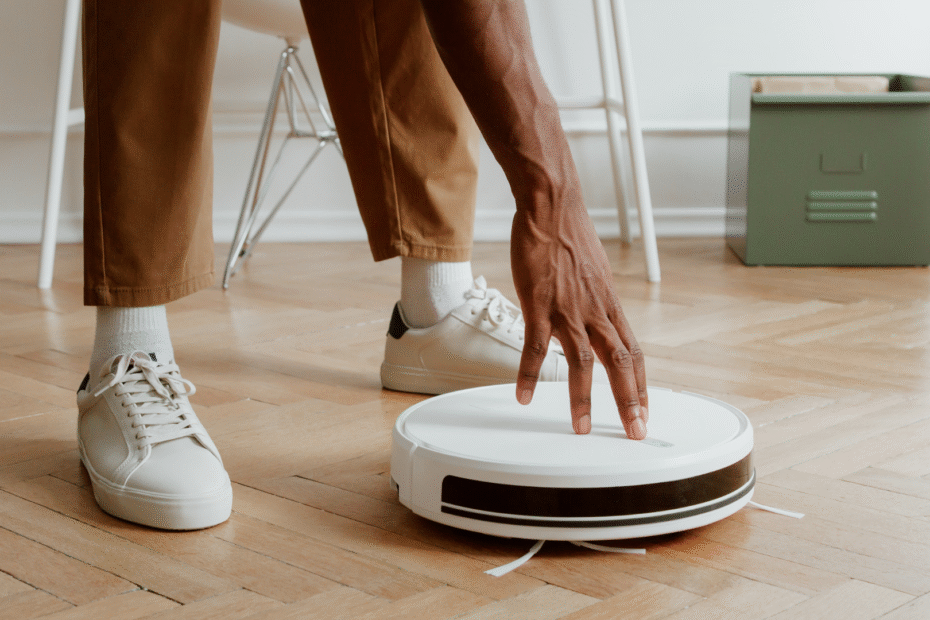
Household robots are increasingly woven into the fabric of daily life, transforming how people manage their homes. These devices streamline mundane tasks, enhance convenience, and allow individuals to focus on more meaningful activities. As technology advances, robots such as vacuum cleaners, lawn mowers, and personal assistants are becoming essential companions in households.
The integration of these robots reflects a significant shift in household management, driven by the desire for efficiency and simplicity. Now, families can delegate cleaning, cooking, and even monitoring their homes to robots, reducing the burden of everyday chores. This growing trend demonstrates not only technological innovation but also a change in societal norms regarding home care.
In a world increasingly focused on automation, the presence of household robots is expected to expand further, paving the way for smarter, more interactive devices. As these tools evolve, they promise to enhance quality of life, making routine tasks easier and offering new levels of assistance. This shift in daily life is just beginning, and the implications are profound.
The Integration of Household Robots Into Daily Life
Household robots are increasingly becoming essential components of daily routines. Their evolution, connectivity within smart home ecosystems, and interaction with users demonstrate significant advancements in domestic robotics.
Evolution of Domestic Robotics
The journey of domestic robotics has seen remarkable advancements over the years. Early household robots primarily focused on basic tasks, such as vacuuming with models like the Roomba.
Modern robots now incorporate artificial intelligence and machine learning to improve functionality. They can adapt to various environments and user preferences, enabling personalized automation. Robots can now manage intricate tasks, including cooking and laundry, thanks to enhanced sensors and sophisticated AI algorithms.
The key to this evolution has been the integration of the Internet of Things (IoT), allowing robots to communicate seamlessly with other devices. As a result, this has led to increased efficiency and effectiveness in home automation processes.
Smart Home Ecosystems and Connectivity
Smart home ecosystems integrate household robots into a network that enhances their functionalities. Devices such as smart speakers, sensors, and appliances work together to streamline various household tasks.
Connectivity is paramount for effective automation. For instance, a robot vacuum can receive commands through a smartphone app or sync with a smart home system to schedule cleaning times. Advanced systems also allow for remote monitoring, where users can check on their home while away.
Interconnectivity ensures that robots can function in tandem with other smart home devices. This connectivity fosters a comprehensive solution for home maintenance, making life more manageable and efficient.
Human-Robot Interaction and User Experience
Human-robot interaction (HRI) is critical in ensuring that household robots serve user needs effectively. The design of robots emphasizes user-friendly interfaces, enabling easy interaction.
Voice commands and mobile apps facilitate communication between users and robots. These interfaces make it simpler for individuals to assign tasks or adjust settings. Feedback mechanisms, such as alerts and notifications, further enhance the user experience.
Social aspects of interaction also play a significant role. Many users appreciate the emotional connection formed with their robots, which can simulate a degree of companionship. This bond encourages acceptance of robots within family dynamics, further embedding them into daily life.
Types of Household Robots and Their Functions
Household robots encompass a wide range of types, each designed to fulfill specific roles in daily life. These robots not only enhance convenience but also contribute to improved efficiency and safety within the home.
Cleaning and Maintenance Robots
Cleaning robots have transformed household chores, making them more efficient and less time-consuming. Robotic vacuum cleaners, such as Roomba, Roborock, and Ecovacs, autonomously navigate spaces to remove dust and debris from floors. These devices often feature smart mapping, which allows them to optimize cleaning paths and avoid obstacles.
Other cleaning robots include robotic window cleaners and robotic pool cleaners. The former can tackle difficult-to-reach windows, providing a streak-free shine without human intervention. Pool cleaners simplify the maintenance of swimming pools, ensuring they remain hygienic without manual effort. Overall, these cleaning robots prioritize convenience, allowing homeowners to focus on other important activities.
Smart Assistants and Virtual Helpers
Smart assistants integrate with various smart devices to facilitate communication and control within the home. Devices such as Amazon Alexa and Google Assistant offer voice-activated features, allowing users to manage home automation, play music, or access information with simple commands.
Additionally, newer robots like Amazon Astro act as mobile smart assistants, providing household management while navigating the home autonomously. These devices help streamline daily tasks, making life easier for users. Connectivity with other smart devices ensures that homeowners can maintain a high level of control over their living environment.
Security and Surveillance Solutions
Home security robots play a crucial role in enhancing safety. These security robots often incorporate advanced features like facial recognition and real-time video surveillance, allowing homeowners to monitor their property remotely.
Some systems can detect unusual activity and alert homeowners via mobile notifications. This proactive approach to security provides peace of mind while reducing dependency on conventional security measures. The incorporation of AI allows these devices to learn and adapt to specific home environments, further enhancing their effectiveness.
Companion and Entertainment Robots
Companion robots offer emotional support and entertainment, bridging the gap between technology and social interaction. Devices like Elliq are designed to engage users in conversation, encourage healthy habits, and keep them connected with loved ones.
Entertainment robots also provide companionship through interactive features, enhancing social well-being. These robots can share jokes, play games, or even help with tasks such as meal preparation using devices like the Thermomix. By addressing emotional and practical needs, companion robots contribute positively to daily life, especially for the elderly or those in need of social interaction.
Technologies Powering Household Robots
Household robots are increasingly equipped with advanced technologies that enhance their functionality. Key elements include artificial intelligence, sophisticated sensors, and augmented reality interfaces. These technologies enable robots to adapt to environments, recognize objects, and interact seamlessly with users.
Artificial Intelligence and Machine Learning
Artificial intelligence (AI) and machine learning are crucial for household robots. They allow robots to process data and learn from experiences.
For example, a smart kitchen assistant can learn cooking preferences over time. This personalization enhances user satisfaction.
AI algorithms help robots recognize patterns, improving their ability to navigate spaces and avoid obstacles.
Machine learning models contribute to this adaptability, allowing robots to adjust their behaviors based on user interactions and environmental changes.
Sensors and Navigation Systems
Sensors are fundamental for effective operation in household robots. They collect data from the environment, enabling the robot to perform tasks safely and efficiently.
Common sensors include:
- Lidar: Maps surroundings using laser pulses.
- Ultrasonic: Measures distance through sound waves.
- Infrared: Detects heat and movement.
Navigation systems integrate this sensor data, allowing robots to understand their environment. As a result, they can execute tasks like vacuuming or lawn mowing with minimal human intervention.
Robotics solutions utilize real-time data to improve navigation accuracy, ensuring reliability during household chores.
AR and Advanced Interfaces
Augmented reality (AR) is shaping the interaction between users and household robots. It enables intuitive interfaces that enhance user experience.
With AR technology, users can visualize information, like cooking instructions, directly in their environment. This feature can be integrated into smart kitchen assistants, allowing users to follow recipes with visual cues.
Advanced interfaces, like voice recognition and touch controls, further simplify interaction. Users can issue commands hands-free, making operations effortless.
The combination of AR and these interfaces fosters a more engaging relationship between users and their robots, highlighting the potential for future household technology.
Benefits, Challenges, and the Future of Robots in Daily Living
The integration of household robots into everyday life presents a range of benefits and challenges. Understanding the implications of energy use, privacy, and job market dynamics is crucial as technology evolves.
Energy Efficiency and Sustainability
Household robots are increasingly designed for energy efficiency, often using smart algorithms to optimize their operations. For instance, robotic vacuum cleaners can map homes and plan cleaning routes that minimize power consumption.
Delivery robots also contribute by using electric drivetrains, reducing carbon footprints. Such innovations support sustainability goals by decreasing reliance on fossil fuels and improving energy consumption.
Innovative systems like automated guided vehicles (AGVs) in warehouses help streamline inventory management. This efficiency reduces waste and enhances productivity across supply chains.
Privacy and Ethical Considerations
The rise of household robots raises significant privacy and ethical questions. Many devices collect data to function effectively, leading to concerns about surveillance and data security. For example, smart home assistants may inadvertently record conversations.
Ethical implications arise when considering the use of robots in sensitive environments, such as healthcare. Robotic surgical systems, like the Da Vinci Surgical System, must navigate issues of informed consent and patient trust.
Establishing robust privacy protections and ethical guidelines is essential for mitigating risks. Organizations must ensure transparency in data collection practices to maintain user confidence.
Job Displacement and Societal Impact
As robots take on more tasks, job displacement becomes a critical issue. Automation in industries such as logistics and manufacturing can lead to reduced job opportunities, particularly for low-skill workers.
Collaborative robots or cobots, designed to work alongside humans, may reshape workplaces by enhancing productivity without entirely replacing human roles. They exemplify a potential balance between technological advancement and job retention.
The societal impact includes the need for workforce retraining and upskilling. Adapting education systems to prepare individuals for future job markets can help mitigate negative repercussions.
Future Developments in Domestic Robotics
Anticipated advancements in domestic robotics focus on increasing autonomy and capability. Future robots are expected to improve in areas like rehabilitation and assistive care, enhancing living conditions for the elderly and disabled.
Autonomous vehicles may enhance last-mile delivery processes, improving logistics efficiency. Innovations in AI and machine learning will enable robots to learn and adapt, making them more effective in household tasks.
Moreover, advancements in healthcare robotics promise to revolutionize patient care. These developments could lead to more personalized healthcare solutions, improving patient outcomes significantly.