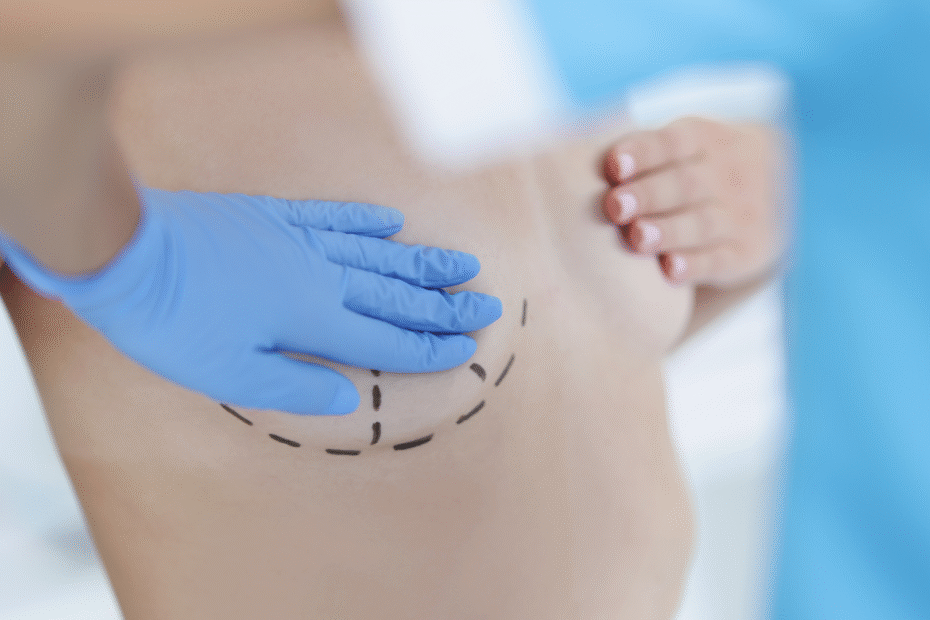
Breast reconstruction surgery has seen significant advancements in recent years. Surgeons are increasingly integrating emerging technologies that enhance both the aesthetic outcomes and recovery times for patients. These innovations include 3D printing for personalized implants, robotic-assisted techniques for precision, and advancements in tissue engineering that offer more natural results.
As healthcare continues to evolve, the introduction of artificial intelligence is improving preoperative planning and patient simulation. This integration helps in creating more tailored approaches to individual needs, resulting in a more satisfactory experience for those undergoing reconstruction. The focus is shifting toward not just restoring form, but also optimizing function and recovery through these technological enhancements.
Understanding the latest methods and tools available in breast reconstruction is crucial for anyone considering their options. Patients are better informed and empowered to make decisions regarding their surgical journey, significantly impacting their quality of life and satisfaction with outcomes. With these emerging technologies, the future of breast reconstruction holds promising potential.
Overview of Breast Reconstruction Surgery
Breast reconstruction surgery is an essential option for individuals who have undergone surgical treatment for breast cancer, such as mastectomy or lumpectomy. Understanding the indications for the procedure, the types available, and the role of plastic surgeons is crucial for informed decision-making.
Indications and Patient Eligibility
Breast reconstruction is indicated for patients following mastectomy, lumpectomy, or bilateral mastectomy. Factors determining eligibility include age, overall health, cancer stage, and patient preferences. Emotional and psychological readiness also play a vital role.
Each case is unique, and multidisciplinary teams evaluate the best timing for reconstruction, whether during the same surgery or delayed. Patients should discuss potential risks, benefits, and expectations thoroughly with their healthcare providers.
Types of Breast Reconstruction
There are two primary types of breast reconstruction: implant-based and autologous (tissue-based) reconstruction.
- Implant-based reconstruction involves the placement of silicone or saline implants beneath the muscle or tissue.
- Autologous reconstruction uses the patient’s own tissue, often taken from the abdomen, back, or thighs.
Each type has distinct advantages and considerations, such as recovery time, aesthetic outcomes, and potential for complications. The choice depends on patient anatomy, treatment history, and desired results.
Role of Plastic Surgeons
Plastic surgeons specialize in breast reconstruction and are integral to the surgical process. They provide expertise in various techniques, ensuring optimal aesthetic and functional outcomes.
Collaboration with oncologists, radiologists, and other specialists is critical. Plastic surgeons assess the patient’s needs, address concerns, and educate on options. Their skills significantly impact the final results, influencing both physical recovery and psychological well-being.
In this multidisciplinary approach, the plastic surgeon plays a crucial role in the overall treatment plan.
Innovative Techniques in Autologous Reconstruction
Recent advancements have significantly enhanced autologous breast reconstruction techniques. These innovations focus on improving surgical outcomes, optimizing aesthetic results, and minimizing recovery times.
Evolution of Perforator Flaps
Perforator flaps have transformed the approach to autologous breast reconstruction. Unlike traditional methods that involve large muscle sections, perforator flaps utilize skin and fat tissue while preserving muscle function.
They rely on the vascular supply from perforating vessels, which minimizes complications. Common types include the DIEP flap (deep inferior epigastric artery perforator) and the SGAP flap (superior gluteal artery perforator). These options provide surgeons with versatile tools to tailor procedures based on individual patient needs, leading to better cosmetic results. For instance, DIEP flap surgery in Phoenix (or elsewhere) can help breast cancer survivors who have undergone mastectomy achieve natural-looking reconstruction while preserving abdominal strength and minimizing recovery complications.
Advanced Fat Grafting Methods
Fat grafting is another innovative technique in breast reconstruction, enabling natural contouring and volume restoration. This process involves harvesting fat from donor sites, usually the abdomen or thighs, and transferring it to the breast area.
Recent advancements include refined liposuction techniques and improved methods for processing and injecting fat cells. These enhancements have increased the survival rate of transferred fat, leading to more natural-looking outcomes. Studies indicate higher success rates in fat grafting when performed alongside flap reconstructions, allowing for a seamless integration of artificial and natural tissues.
Natural-Looking Results in Modern Surgery
The focus of modern autologous reconstruction is achieving natural-looking results. Advances in surgical techniques and materials have greatly enhanced aesthetic outcomes.
The use of 3D imaging technology enables surgeons to plan surgeries with greater precision, resulting in more symmetrical and natural breast shapes. Additionally, the integration of advanced suture techniques and dressing materials minimizes scarring while providing the necessary support for healing. Patients often report higher satisfaction levels with their appearance, reinforcing the shift towards refined surgical methodologies tailored to personal preferences.
Emerging Implant-Based Solutions
Advancements in implant-based solutions are enhancing outcomes in breast reconstruction surgery. Innovations in materials and techniques are leading to improved patient satisfaction and surgical results.
Next-Generation Silicone and Saline Breast Implants
Next-generation silicone and saline implants are designed with advanced materials that offer better biocompatibility and a more natural feel. Silicone breast implants now feature a cohesive gel that retains shape while minimizing the risk of leakage.
Saline breast implants are being manufactured with smoother surfaces to reduce issues like rippling. These improvements allow for a wider range of options tailored to individual patient needs, enhancing aesthetic results and overall comfort.
Improvements in Tissue Expanders
Recent enhancements in tissue expanders contribute significantly to the process of implant reconstruction. New designs include anatomical shapes that mimic natural breast contours, providing better outcomes when transitioning to permanent implants.
These tissue expanders also now feature smoother textures and controlled inflation systems, allowing for more accurate expansion and decreased discomfort. Improved materials enhance durability and reduce the likelihood of complications, leading to smoother surgeries.
Immediate and Delayed Implant Reconstruction
Immediate reconstruction involves placing implants during the same procedure as mastectomy, which may simplify the overall treatment process. This technique offers psychological benefits, as it can reduce the emotional impact of losing breast tissue.
Delayed reconstruction allows the surgical team to assess healing before implant placement. Advances in implant design ensure better compatibility with the body over time, promoting successful outcomes regardless of timing. Each approach presents unique benefits tailored to patient preferences and medical circumstances.
Advancements Influencing Patient Outcomes
Recent innovations in breast reconstruction surgery are transforming how patient outcomes are evaluated and improved. Key advancements center around personalized treatment plans based on genetic insights and techniques aimed at reducing recovery times.
Personalizing Reconstruction Based on Gene Mutations
Understanding gene mutations significantly enhances the personalization of breast reconstruction procedures. Genetic testing allows surgeons to identify specific mutations, such as BRCA1 and BRCA2, which can influence the likelihood of cancer recurrence and guide reconstruction options.
By tailoring surgical strategies to a patient’s genetic profile, healthcare teams can recommend the most effective reconstruction method. This approach optimizes both aesthetic results and long-term health outcomes. For example, patients with certain mutations may benefit from autologous tissue transfer, while others might prefer implant-based options.
Personalized plans ensure better alignment with patients’ needs, leading to improved satisfaction and a higher quality of life post-surgery.
Reducing Recovery Time with New Approaches
Innovative surgical techniques are contributing to reduced recovery times in breast reconstruction. Techniques like minimally invasive surgery and the use of bioengineered materials enable quicker procedures and less tissue trauma.
For instance, employing advanced imaging technology helps surgeons pinpoint exact tissue locations, minimizing cuts and promoting faster healing. Patients often experience less pain and shorter hospital stays due to these advancements.
Additionally, integrating enhanced recovery protocols post-surgery is gaining traction. These protocols focus on pain management and mobilization, further reducing the overall recovery period. Individualized care plans leverage these techniques to ensure patients return to their normal activities more swiftly.